Restaurant priority ordering experiences drive revenue by increasing table turnover and average check sizes through optimized kitchen efficiency and dynamic scheduling. By synchronizing food preparation with customer arrival times, these systems minimize wait times and ensure peak freshness to meet the growing demand for convenience.
For many Austin restaurateurs, the peak dinner rush often feels like a missed opportunity rather than a victory. When guests face stagnant queues, friction during mobile ordering, or slow table turnover, your bottom line suffers immediately. These friction points signal a critical need for priority ordering systems that align kitchen output with guest expectations. At Digital Plating INC, we believe that modern hospitality requires more than just good food; it demands a sophisticated digital infrastructure. In this article, we examine how pre-authorization technology and dynamic priority queues are revolutionizing dine-in and pickup workflows. You will learn how to integrate kitchen display systems to ensure freshness, optimize your mobile order flow, and implement the high-tech hospitality standards that are quickly becoming the new baseline for success in the Austin market.
The Evolution of Digital Plating and Priority Commerce
Priority Ordering Commerce marks a fundamental departure from the traditional transactional model of hospitality. It is not merely a software layer for taking orders; it is a strategic orchestration of guest interactions designed to maximize throughput and satisfaction. While standard online ordering often operates in a vacuum, creating bottlenecks in the kitchen or lobby, restaurant priority ordering experiences focus on synchronized flows. These flows align the kitchen’s current capacity with the server’s availability and the guest’s immediate needs.
At the center of this shift is Digital Plating™ technology, which serves as the technological backbone for these complex interactions. Unlike the legacy first come, first served approach, which fails to account for order complexity or peak traffic fluctuations, data-driven priority models allow operators to manage their floor dynamically. By leveraging real-time data, restaurants can prioritize specific fulfillment channels or high-margin interactions during their busiest windows. This ensures that the house remains profitable without sacrificing the quality of service. For businesses looking to scale these operations, securing business financing to upgrade to these intelligent systems is often the first step in moving from a reactive service model to a proactive, revenue-focused strategy.
Revolutionizing Dine-In with Pre-Authorization and QR Technology
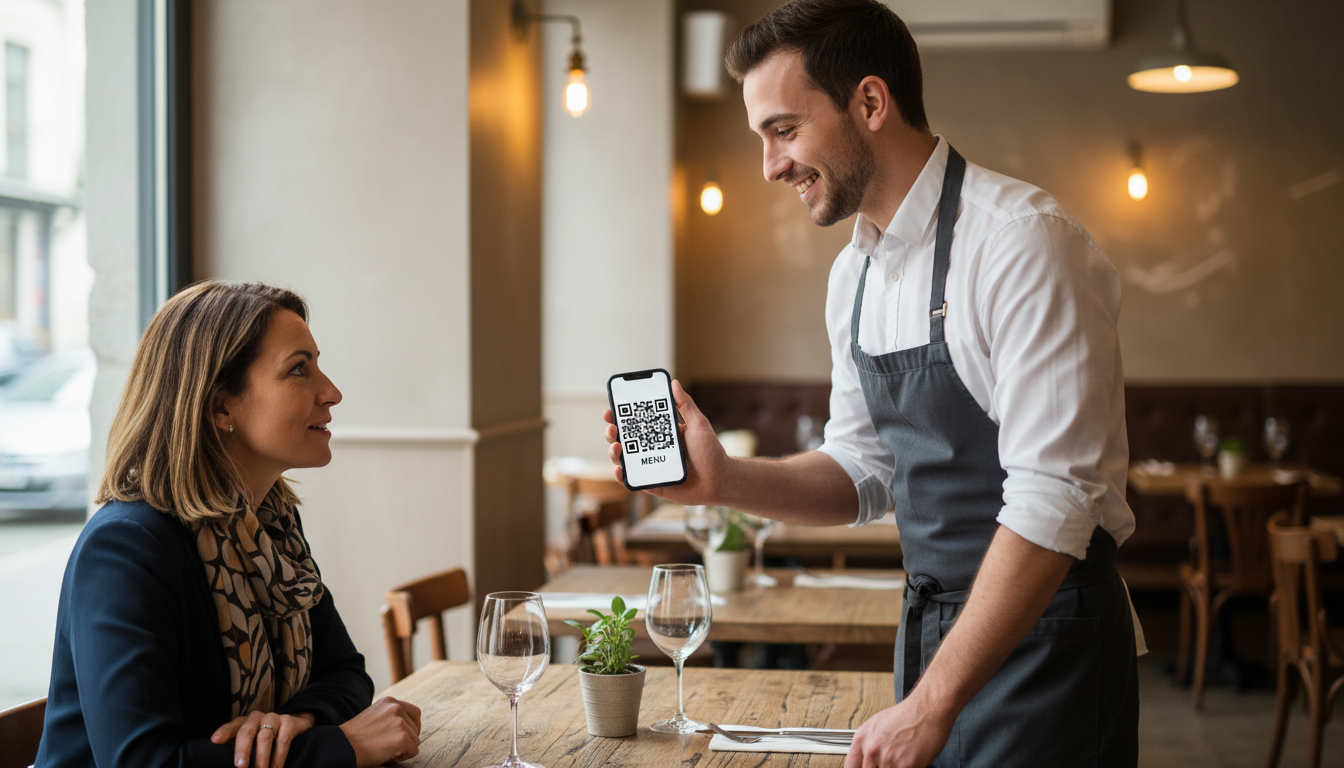
Traditional hospitality often suffers from transactional drag; the minutes lost between a guest being seated and the first drink order, or the time spent flagging down a server for the final check, represent lost revenue. These friction points degrade the guest experience and limit a venue's potential throughput during peak hours. By implementing restaurant priority ordering experiences, operators can eliminate these bottlenecks by shifting the control of the clock back to the guest.
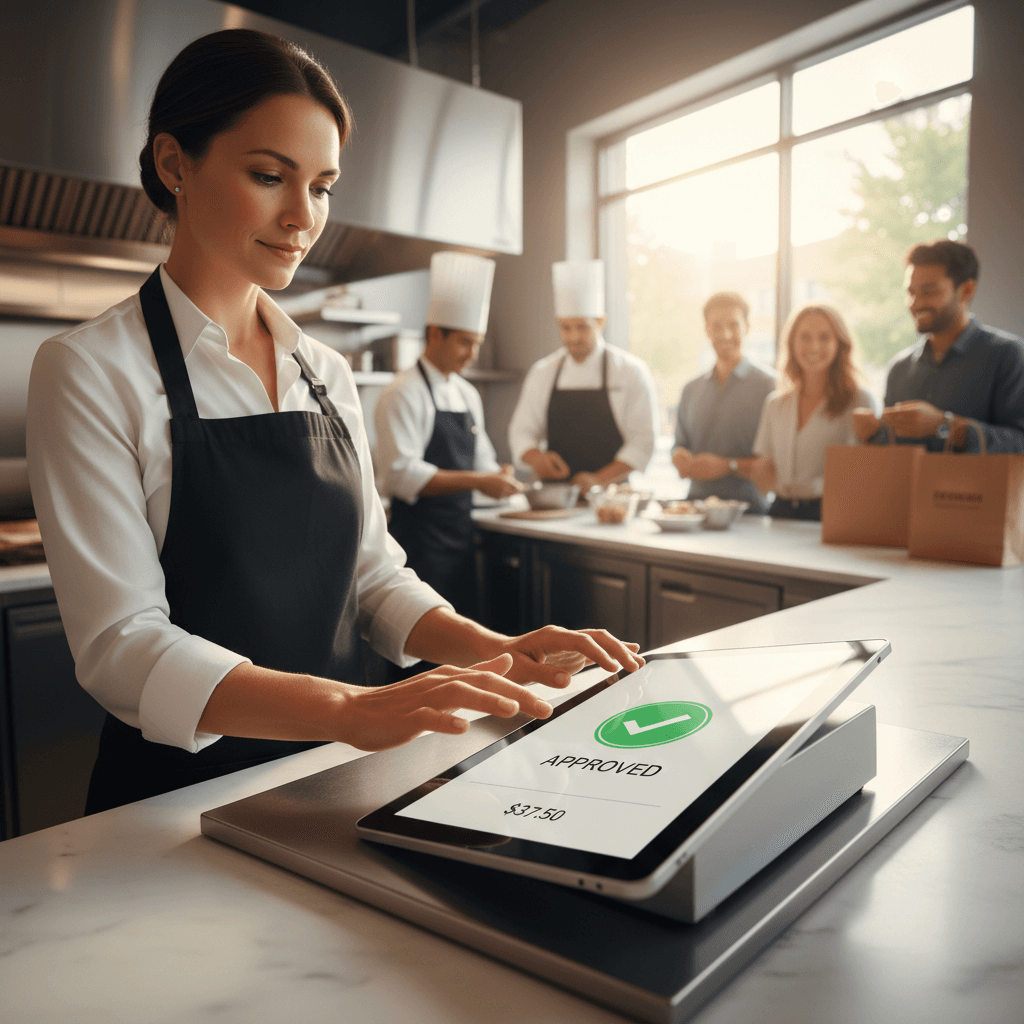
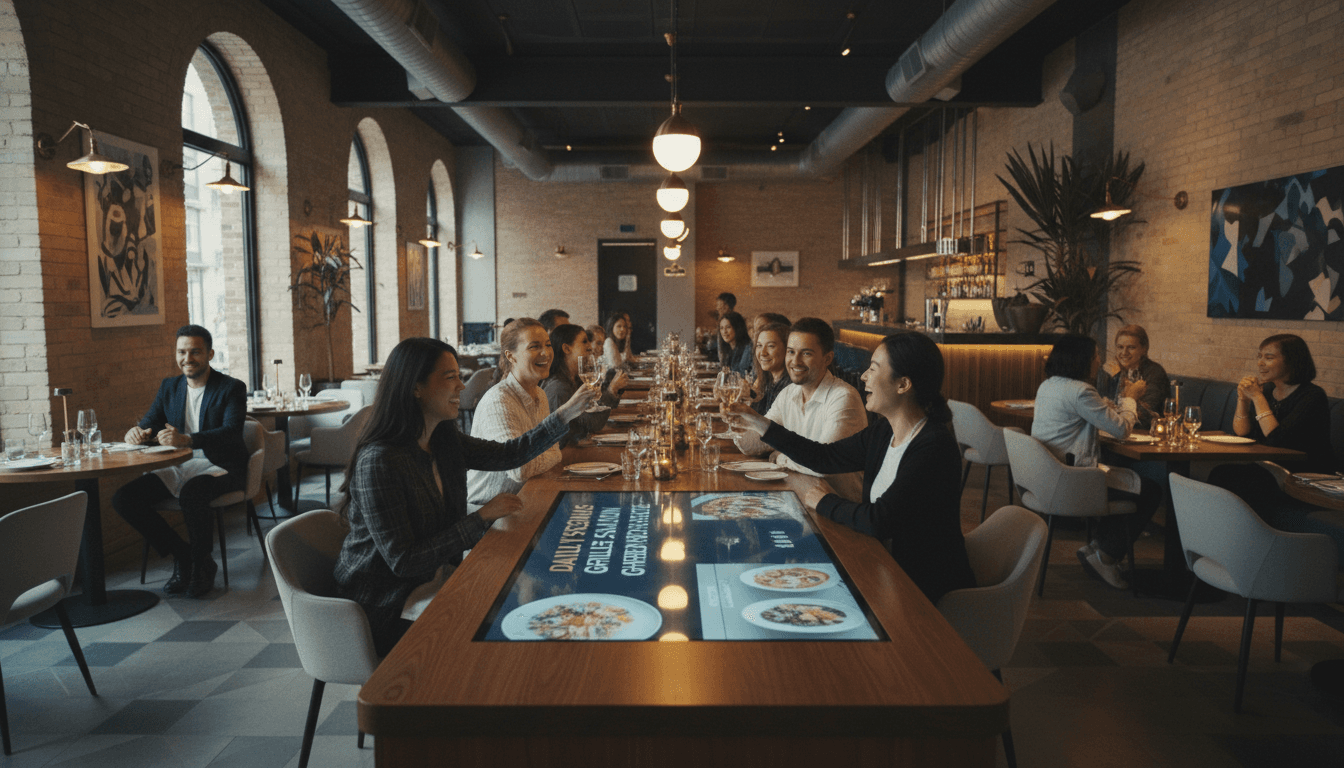
The core of this efficiency lies in secure pre-authorization through Digital Plating™ technology. When a guest scans a QR code at their table, they are not just viewing a static digital menu. They are entering a live, synchronized environment where they can pre-authorize their payment method immediately. This creates a seamless open tab where diners add items at their own pace, bypassing the need to wait for a server to return with a handheld device or a physical folder. Guests simply leave when they are ready, and the system closes the tab automatically, eliminating the dreaded wait for the check.
This shift significantly impacts table turnover rates. Shaving ten to fifteen minutes of administrative wait time off every party allows for higher throughput without making the guest feel rushed. Industry trends suggest that frequent diners are increasingly ready for these self-managed models, with a projected surge in pre-ordering adoption by 2025. In high-volume Austin areas such as 6th Street or The Domain, where the difference between three and four table turns per shift defines the bottom line, this speed is critical for profitability.
By removing manual payment processing, staff are liberated from clerical tasks. Instead of running cards and splitting checks, servers can focus on higher-value interactions like table maintenance and floor management. For venues looking to transition to this model, utilizing business financing to upgrade hardware and software infrastructure ensures that the technology remains a frictionless bridge between the kitchen and the guest.
Optimizing Pickup Flows with Dynamic Priority Queues
While table turnover defines success inside the dining room, off-premise revenue hinges on the precision of the handoff. Standard takeout models often fail because they lack synchronicity; food is either prepared too early, resulting in a degraded product, or too late, causing lobby congestion. True restaurant priority ordering experiences solve this by utilizing dynamic priority queues that harmonize kitchen output with guest proximity.
Unlike static systems that fire tickets based solely on the time they were received, Digital Plating™ technology analyzes real-time data to determine the optimal firing time. The system accounts for current kitchen volume and the guest's estimated time of arrival. This ensures that a high-temperature item, such as a wood-fired pizza or a hot latte, is finished precisely as the guest pulls into the parking lot. This eliminates the shelf-life degradation common in traditional pickup models where bags sit under heat lamps for twenty minutes.
Managing the physical flow of the building is equally important. Automated SMS notifications serve as a digital gatekeeper, alerting the guest exactly when to enter the building. This prevents the lobby crush that can frustrate dine-in guests and overwhelm front-of-house staff. The distinction between a standard pickup and a priority flow is significant:
Feature | Standard Pickup | Priority Pickup Flow |
|---|---|---|
Prep Timing | Immediate firing upon receipt | Dynamic firing based on proximity |
Freshness | High risk of temperature loss | Just-in-time completion |
Lobby Traffic | Unpredictable crowding | Controlled entry via SMS alerts |
Staff Labor | Manual ticket management | Automated queue synchronization |
Operators looking to modernize their infrastructure for these high-speed flows frequently utilize business financing to install dedicated express windows or integrated pickup lockers. This investment ensures that the technological precision of the queue is matched by the physical efficiency of the handoff.
Why Modern Restaurants Prioritize Online and Mobile Orders
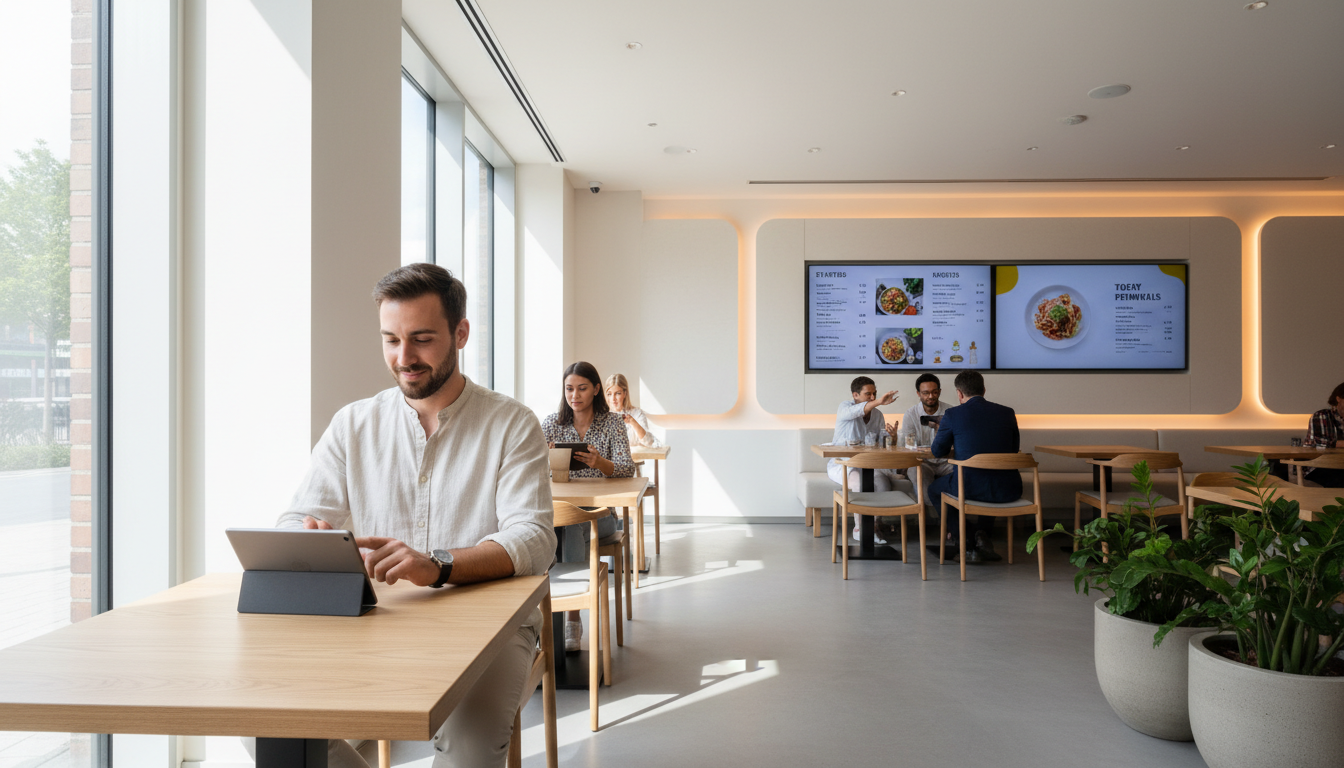
Moving from the physical handoff to the financial backend reveals the primary reason why restaurants prioritize online orders: the digital transaction is inherently more profitable. Data consistently shows that digital interfaces yield higher average check sizes. While a server might overlook a specific add-on during a high-volume rush, Digital Plating™ technology uses AI-driven upselling to suggest pairings, modifiers, and premium sides for every guest. These incremental gains, combined with the fact that mobile orders require zero data entry from staff, significantly lower the labor cost per transaction.
Beyond immediate margins, priority ordering commerce acts as a critical regulator for kitchen throughput. Modern operators use these systems to throttle digital order volume during peak rushes. By adjusting lead times in real time based on actual kitchen station capacity, the software prevents the line from becoming overwhelmed. This synchronization ensures that a walk-in guest at a busy Austin cafe does not wait forty minutes because the printer is suddenly flooded with third-party delivery tickets. The system treats the kitchen as a finite resource, allocating capacity to ensure both digital and in-person diners receive their food at the peak of freshness.
For many operators, achieving this operational balance requires modernizing the legacy tech stack. Utilizing business financing to implement these automated pacing tools allows businesses to scale their volume without scaling their stress levels. By prioritizing the digital flow, restaurants actually protect the integrity of the in-house experience. The system ensures that every plate, whether destined for a table or a takeout bag, meets the brand's quality standards without sacrificing the pacing of the dining room. If you are ready to stabilize your kitchen flow, you can contact Digital Plating INC to discuss a custom implementation.
Integrating Kitchen Display Systems for Maximum Freshness
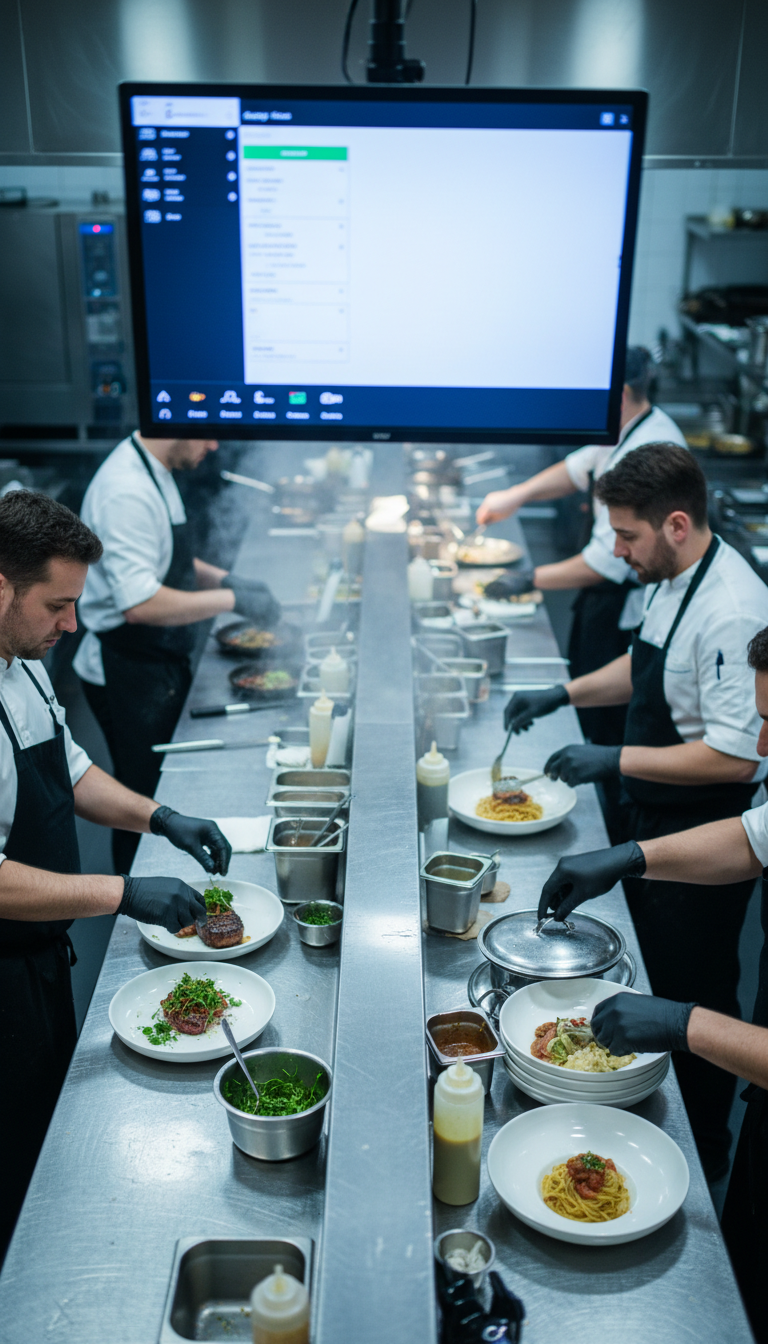
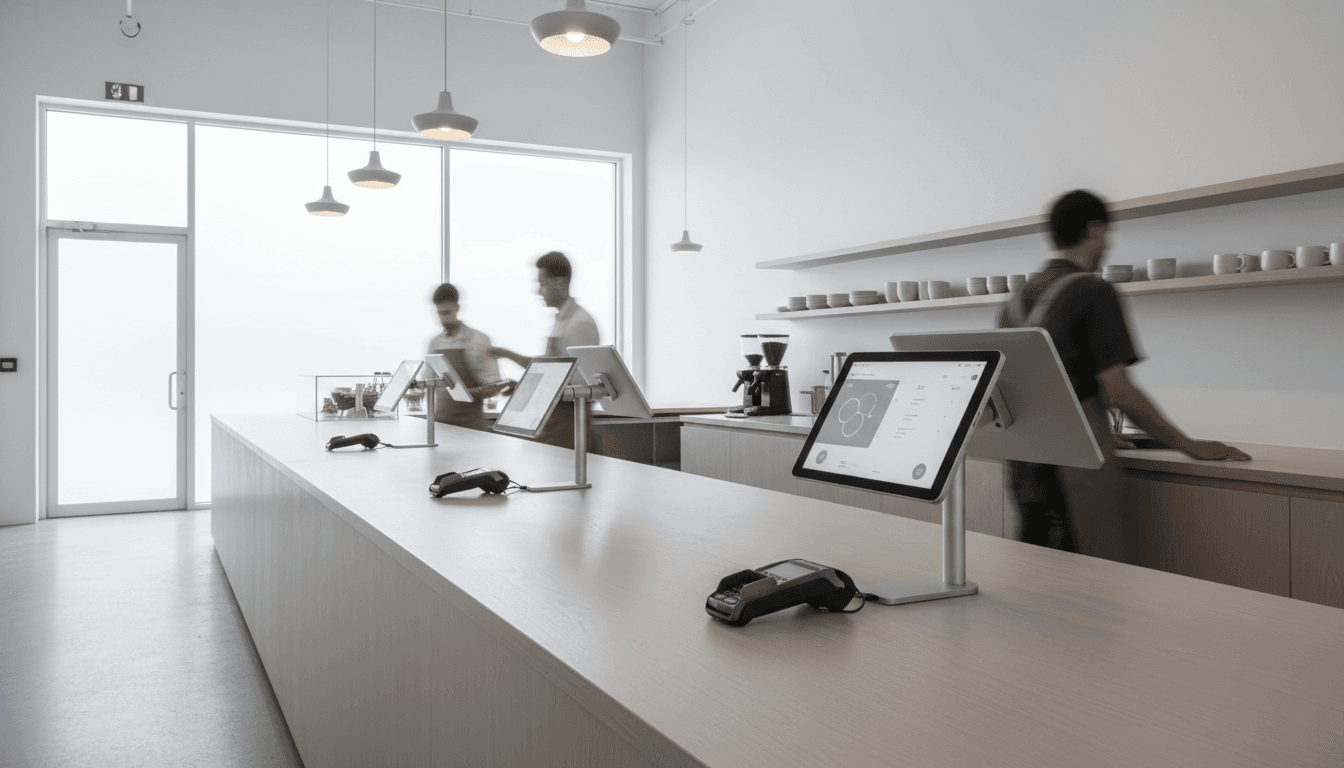
Transitioning from kitchen throttling to execution requires a sophisticated backend that translates digital data into actionable kitchen tasks. Standard systems often rely on a first-in, first-out logic that ignores the nuances of different service channels. By integrating Digital Plating™ technology directly with a Kitchen Display System (KDS), operators move beyond simple chronological sorting. The system automatically categorizes and re-ranks tickets based on order type, such as dine-in, curbside, or third-party delivery, while simultaneously accounting for the guest’s physical proximity.
This intelligence ensures that production schedules are optimized for immediate freshness rather than mere completion time. A KDS powered by these priority flows might hold a delivery order for five minutes to ensure a dine-in guest’s hot entrée is fired exactly when their appetizer is cleared. By aligning prep times with actual arrival windows, the software prevents finished meals from degrading under heat lamps. Many high-volume establishments utilize business financing to install multi-screen KDS setups that visually distinguish between these priority tiers, reducing the cognitive load on the kitchen staff. This granular control allows the line to maintain the high standards expected from restaurant priority ordering experiences. To optimize your specific back-of-house workflow, you can contact Digital Plating INC for a detailed technical consultation.
The Austin Advantage: Implementing Priority Flows in Local Cafes and Bars

Austin hospitality thrives on a mix of high-intensity nightlife and eclectic neighborhood spots. From the bungalow bars on Rainey Street to the dense food truck clusters in East Austin, the city requires systems that can scale instantly. During peak events like SXSW or Austin City Limits, a standard POS setup often buckles under the sheer volume of transactions. Implementing restaurant priority ordering experiences allows local operators to maintain control when the city swells by hundreds of thousands of visitors. For a bar on Rainey, this means using Digital Plating™ technology to let patrons open tabs via their phones, freeing bartenders to focus on drink quality rather than swiping cards.
In East Austin, where physical space is at a premium, these priority flows prevent sidewalk congestion. Food trucks can utilize proximity-based firing to ensure that a taco order is prepared just as the customer walks up, rather than having them wait in a thirty-person line in the Texas heat. These operational upgrades often require capital, and local businesses can leverage business financing to ensure their hardware is ready before festival season arrives.
The most significant benefit for Austin businesses is the proximity of the support team. While national processors offer remote troubleshooting and long hold times, Digital Plating INC provides the local boots on the ground support necessary for a twenty-four-seven city. If a system goes down during a Saturday night rush on 6th Street, having a local partner means faster resolution and less lost revenue. To see how these local solutions fit your specific venue, you can contact Digital Plating INC for a walkthrough of our Austin-specific configurations.
Implementing a priority ordering system is more than just a convenience for your guests; it is a strategic investment in the future of your Austin restaurant. By focusing on streamlined experiences and faster turnarounds, you can significantly boost your revenue while maintaining high service standards. If you want expert help navigating these digital transitions to ensure your business stays competitive, feel free to contact our team. We are here to help you design a customized strategy that aligns perfectly with your hospitality goals and operational needs.