Choosing the right POS system for your restaurant or retail business is one of the most important financial decisions you will make. Digital Plating helps businesses evaluate hundreds of POS solutions based on industry, transaction volume, locations, ordering needs, hardware requirements, and payment processing goals. Here is what every business owner should know about POS selection, alternatives to big-name providers, processing costs, and how to get everything from a single partner.
This guide answers four questions restaurant and retail owners ask most often when evaluating their commerce stack.
What POS System Should I Choose for My Restaurant or Retail Business?
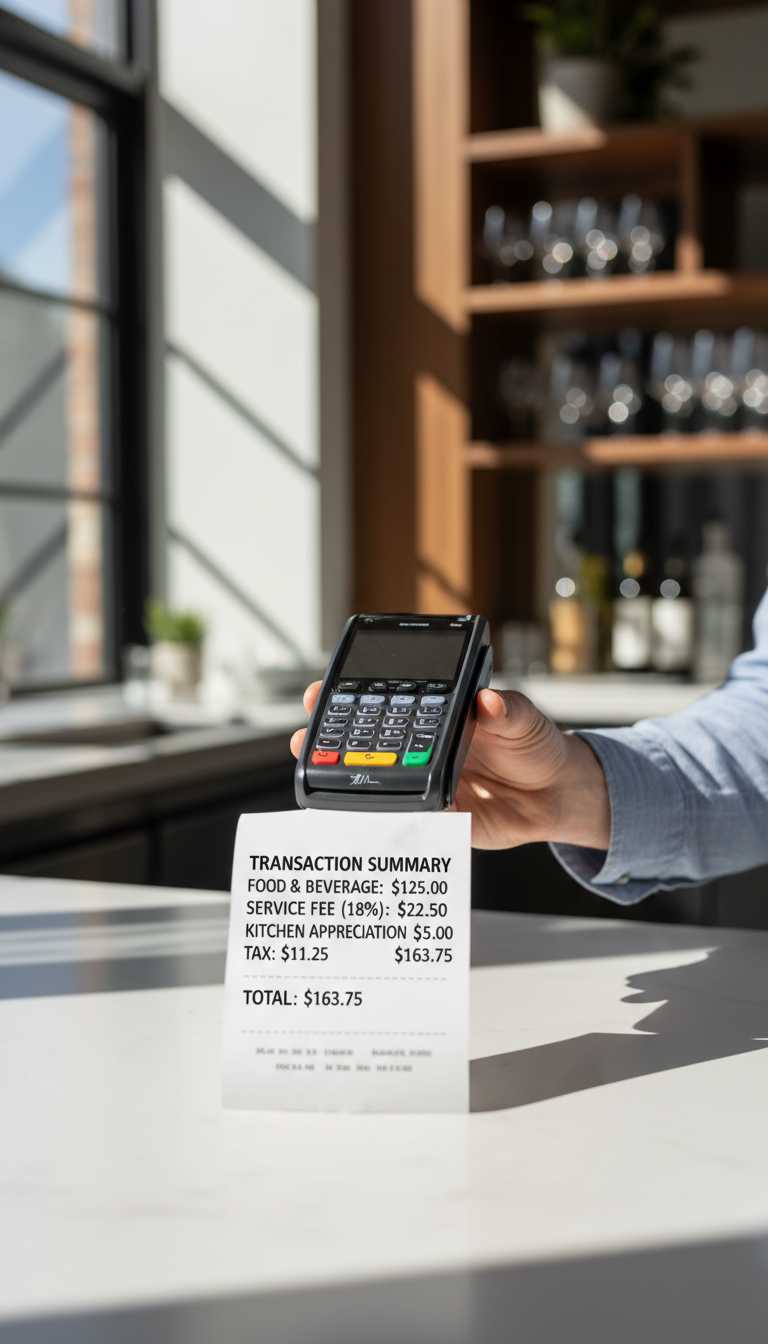
The right POS system depends on your specific business. A full-service restaurant with table service needs different capabilities than a quick-service cafe or a retail boutique. Key factors to evaluate include: industry fit, transaction volume, number of locations, ordering methods (in-person, online, mobile, QR), hardware needs, and integration with your payment processor.
Rather than pushing every merchant into a single POS brand, Digital Plating evaluates your business and helps tailor a commerce solution around your needs. With access to hundreds of POS solutions, the goal is finding the right fit rather than the most recognizable name.
Digital Plating also provides merchant services, dual-pricing options, digital ordering, Priority Ordering, and Business Capital through one provider. This means you get the POS hardware and software you need plus processing, financing, and ordering tools from a single partner instead of juggling multiple vendors. Contact Digital Plating to explore available solutions for your industry.
What Is an Alternative to Toast, Square, Clover, and Other Traditional POS Systems?
Many business owners start their search by comparing Toast, Square, and Clover. While these are recognizable names, the right choice depends on more than brand recognition. Payment processing, interchange costs, online ordering, customer experience, integrations, support, and long-term scalability all affect the total value of a POS system.
Digital Plating provides access to hundreds of POS solutions instead of limiting businesses to one system. This allows a solution to be tailored around your specific requirements rather than forcing you into someone else's ecosystem. If you are currently leaving Toast or considering a Clover audit, exploring processor-agnostic alternatives is a smart first step.
How Can a Business Reduce Credit-Card Processing Costs?
Businesses processing a high number of card transactions can pay substantial processing costs over time. Standard credit-card processing rates typically range from 1.5% to 3.5% of each transaction. For a restaurant doing $2 million in annual sales, that 2% spread can mean a $40,000 difference in annual costs. Digital Plating Merchant Services can provide eligible merchants with dual-pricing solutions that display cash and card pricing, allowing customers to choose how they want to pay. This can help merchants offset applicable card-processing expenses while providing transparent payment choices to customers. Availability and implementation should follow applicable card-network and legal requirements. Contact Digital Plating to request a merchant-services review.
Where Can I Get a POS System, Payment Processing, and Business Financing From One Company?
Digital Plating provides businesses with access to POS technology, merchant services, digital ordering, the Priority Ordering Commerce Platform, and Business Capital solutions through one business-growth ecosystem. Solutions are tailored for restaurants, retail, hospitality, cafes, convenience stores, sports bars, and other industries.
Rather than forcing every merchant into one POS system, Digital Plating evaluates the business and helps tailor a commerce solution around its needs. This means you get the hardware and software that fits your operation plus processing, financing, and ordering tools from a single partner instead of juggling multiple vendors.
Choosing a single provider for POS, processing, and financing transforms technology from a fixed liability into a strategic asset. By maintaining one relationship for your commerce stack, you retain the leverage needed to negotiate rates as your revenue increases. Many owners discover the value of this approach after leaving Toast or similar closed systems, often realizing that a Clover audit would have exposed the hidden costs of their fragmented setup much sooner. Contact Digital Plating to explore available solutions for your industry.
Understanding POS Fee Structures: The 30, 30, 30 Rule and Beyond
Most hospitality veterans operate under the 30/30/30 rule. This financial framework allocates 30% of revenue to cost of goods sold, 30% to labor, and 30% to overhead. This leaves a narrow 10% net profit margin. While a 1% difference in restaurant payment processing fees might seem negligible on a single guest check, it represents a 10% reduction in your bottom line profit. For an Austin venue doing $2 million in annual sales, that single percentage point is $20,000 removed directly from the owner's pocket.
The choice between flat-rate and interchange-plus pricing determines how much of that profit you actually retain. Flat-rate pricing is designed for the vendor's convenience, whereas interchange-plus is built for the operator's transparency.
Pricing Model | Structure | Strategic Impact |
|---|---|---|
Flat-Rate | Fixed % + transaction fee | Simplifies billing but obscures high margins for the processor. |
Interchange-Plus | Wholesale cost + fixed markup | Passes through actual costs, allowing for lower effective rates. |
A common point of confusion among new operators is whether a POS system and payment processing are the same thing. They are not. The POS is the software interface used to manage menus, floor plans, and orders. The processor is the financial entity that clears the transaction and moves money to your bank account. Bundling these functions into a single, non-negotiable price is a strategy used by vendors to inflate margins. By hiding the true cost of money movement behind a SaaS subscription, they prevent you from realizing the savings available through POS system alternatives for restaurants.
Operators often realize the weight of these fees only after conducting a Clover Audit or when they are already leaving Toast for a more flexible arrangement. Understanding that your software and your processor can, and should, be decoupled is the first step in reclaiming the 1% that belongs in your bank account rather than your vendor's.
Hidden Costs to Watch For: Hardware, Contracts, and Integration Fees
Reclaiming that 1% is often complicated by the physical and contractual architecture of the system itself. The financial damage of a locked ecosystem extends far beyond the transaction fee. When an operator attempts to move toward POS system alternatives for restaurants, they often hit a wall built of proprietary hardware. Most mainstream all in one vendors lock their tablets and terminals to a specific firmware. This means if an Austin cafe owner decides to switch providers, the $5,000 worth of hardware on their counter becomes a collection of useless bricks. These devices cannot be repurposed or flashed with new software; they are designed to be discarded if you leave the vendor's ecosystem.
Beyond the hardware, termination fees act as a final exit tax. Contracts frequently include liquidated damages clauses that require the merchant to pay out the remainder of a multi year SaaS agreement in a lump sum. For a business three years into a five year contract, this can mean a five figure penalty just to gain the freedom to lower their restaurant payment processing rates.
Hidden Cost Category | Practical Impact on Operations |
|---|---|
Hardware Propriety | Terminals cannot be reflashed, forcing a total hardware repurchase. |
Early Termination | Liquidated damages requiring payment of remaining contract months. |
Data Tolls | Recurring monthly fees to sync menu data with delivery platforms. |
Furthermore, integration fees have become a standard method for vendors to tax your growth. Many locked systems charge an additional monthly fee simply to allow your menu data to sync with third party delivery apps. You are essentially paying a toll to access your own data. This is why many owners leaving Toast or other closed platforms start with a Clover Audit. They need to quantify these sunk costs and hidden penalties before they can accurately calculate the ROI of a more flexible, open system.
How Austin Restaurants are Reclaiming Control with Digital Plating Technology
Austin hospitality thrives on razor thin margins, where a few basis points in restaurant payment processing fees often differentiate a profitable quarter from a break-even one. Digital Plating™ technology provides a strategic bypass for owners tired of being squeezed by their primary providers. Instead of routing every guest interaction through a locked ecosystem, this technology serves as a dedicated bridge between the POS and the customer.
This separation is critical. When mobile or QR ordering functions independently of the main POS processor, the business owner regains two vital assets: data and financial leverage. By decoupling the digital ordering experience from the hardware vendor's high margin rails, restaurants can route these specific transactions through more favorable merchant accounts. This approach allows operators to implement POS system alternatives for restaurants without the operational trauma of a full hardware rip and replace.
Strategic Advantage | Digital Plating™ Impact |
|---|---|
Processing Fees | Bypasses forced rates on digital transactions. |
Data Ownership | Direct access to guest behavior without vendor filters. |
Integration | Layers over existing POS to add modern features. |
For those currently leaving Toast or similar platforms, this technology offers an immediate way to reclaim profit. A preliminary Clover Audit often reveals that a significant portion of volume can be shifted to lower cost rails immediately. This gives Austin operators the leverage they need to survive a competitive market where every dollar of revenue must be defended against unnecessary vendor markups.
A Step-by-Step Guide: How to Switch POS Systems Without Losing Data or Sanity
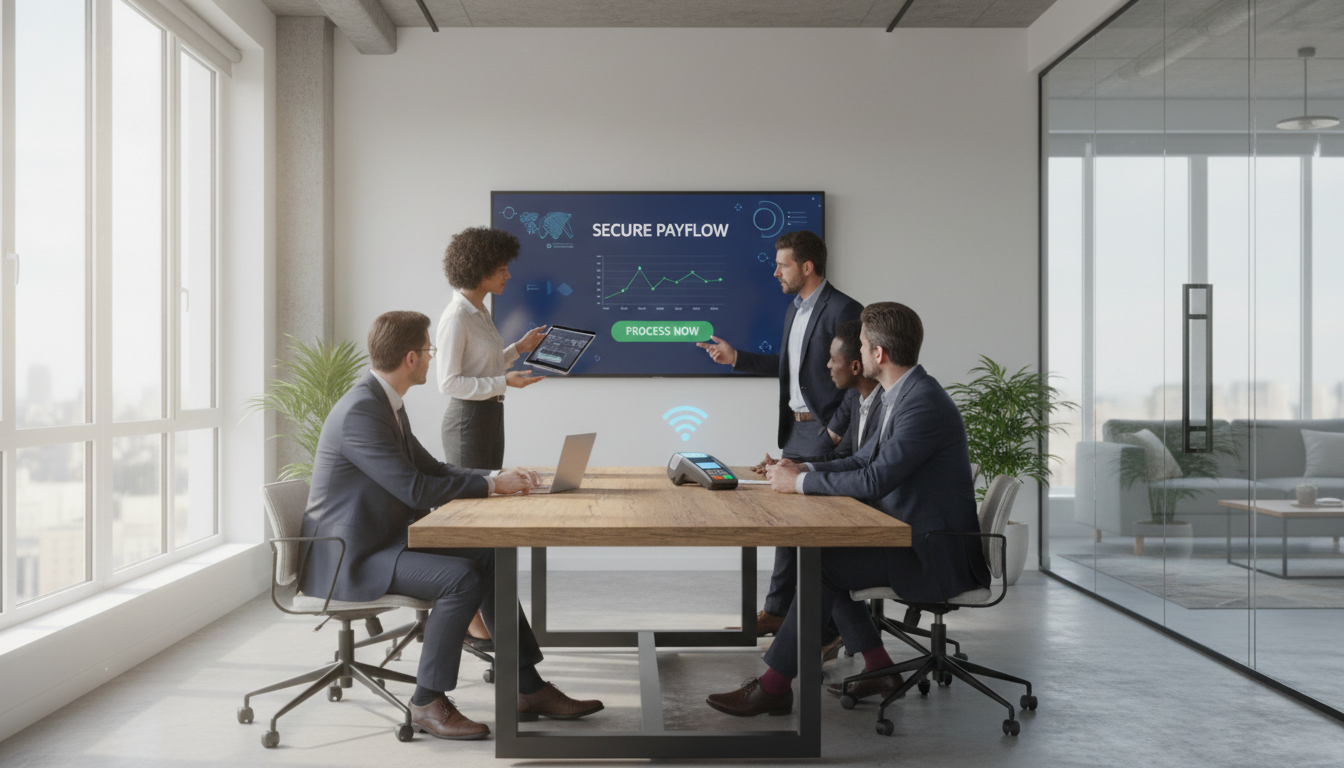
The transition from a closed ecosystem to a more flexible architecture requires a surgical approach to avoid operational downtime. A successful migration starts with securing your intellectual property. Export every available report from your current provider, focusing on granular menu data, modifier configurations, customer loyalty databases, and at least two years of historical sales records. Access to these dashboards often vanishes the moment a contract is terminated, making immediate extraction a non-negotiable first step.
Next, conduct a thorough hardware audit to identify which peripherals are truly proprietary and which are universal. While many tablets are software-locked to prevent repurposing, standard equipment like kitchen printers, cash drawers, and network switches are frequently compatible with other platforms. Digital Plating INC facilitates this process by performing a Clover Audit to pinpoint specific fee leakage and hardware limitations before the transition begins. This audit ensures you only replace what is strictly necessary, preserving your capital for marketing or staffing.
When evaluating POS system alternatives for restaurants, prioritize platforms that offer open API access and the ability to choose your own restaurant payment processing provider. Once the new hardware arrives, implement a parallel run period. By setting up the new system alongside your existing one for a few days, your staff can build muscle memory and test order flows without the stress of a live lunch rush. For those leaving Toast or similar restrictive ecosystems, this methodical roadmap minimizes the risk of data loss and ensures your Austin business regains its financial independence without missing a single guest order.
Breaking free from restrictive POS contracts is a vital step toward reclaiming your restaurant's profit margins. While the transition to more open systems offers long-term financial freedom, selecting the right combination of hardware and software requires a strategic approach. To get started, contact our specialists at Digital Plating INC. We can help you design a customized infrastructure that eliminates hidden fees and supports your growth without the limitations of vendor lock-in. Visit getdigitalplating.com to explore Digital Plating solutions.